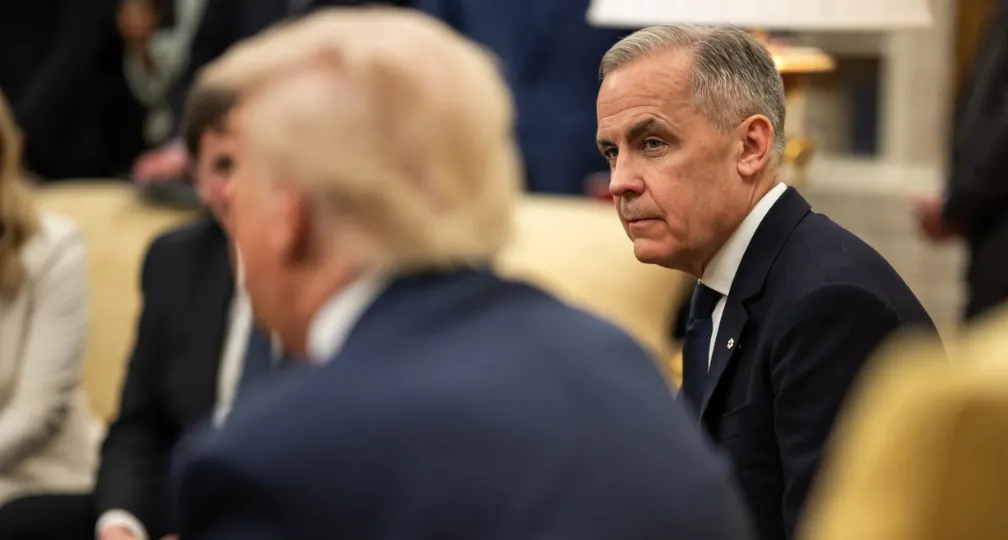

A Message from Yuichi Hosoya on Our Latest Special Feature: How Will the Trump Administration Change the World in 2025?
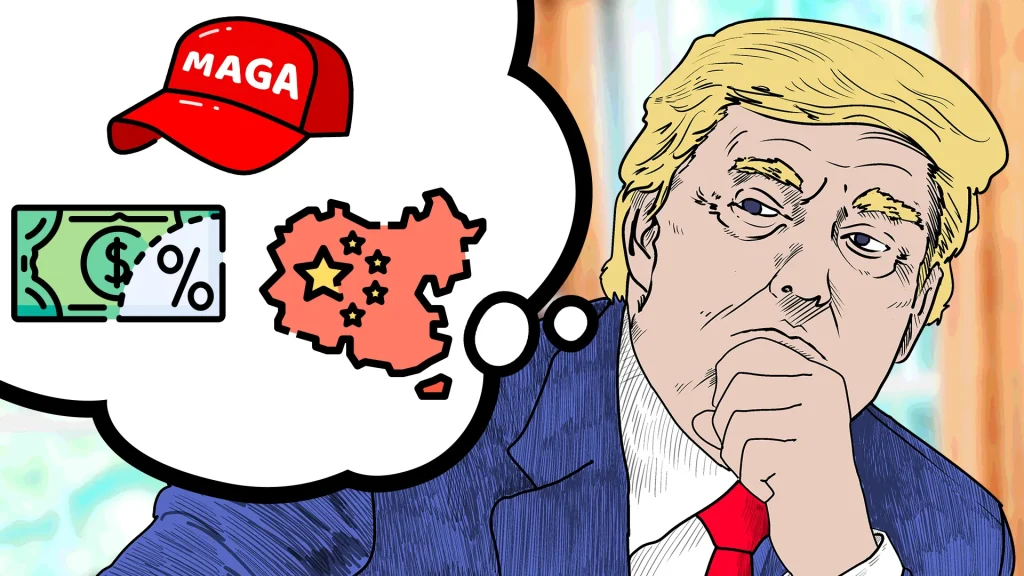
During Trump’s first term, Japan's then-Prime Minister Shinzo Abe fostered stable Japan-U.S. relations. Abe was quick to congratulate Trump online after his 2016 electoral victory, followed shortly by their meeting in New York. Additionally, the Free and Open Indo-Pacific (FOIP) initiative, announced by Abe in August 2016, gained strong support from Trump, evolving into a shared strategic vision for the region. Along with the strengthening of the Quad framework between Japan, the U.S., Australia, and India, optimism grew in Japan regarding its approach to the Trump administration. However, many senior officials specializing in diplomacy and security—on whom Tokyo relied as liaisons during Trump’s first term—are unlikely to return in his second. Prime Minister Shigeru Ishiba also faces a vastly different dynamic in his relationship with Trump, especially compared to the personal rapport Abe established with him.
What lies ahead for the world under the Trump administration? In this 2025 special feature, building on our 2024 edition, we delve into the key trends of Trump’s second term, focusing on a critical question: Is democracy at a crossroads?
How Will the Trump Administration Change the World in 2025?
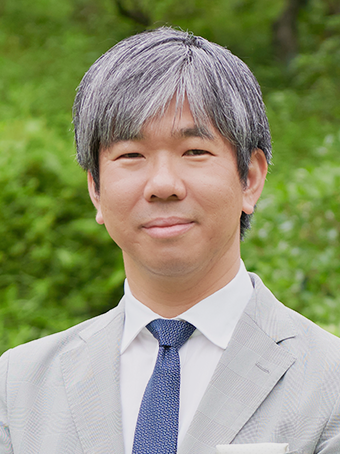
Yuichi Hosoya, Group Head, Europe & Americas / Director of Research, Asia Pacific Initiative
Director, International House of Japan
Director, International House of Japan
Group Head, Europe & Americas,
Director of Research, Asia Pacific Initiative
Director, International House of Japan
Yuichi Hosoya is professor of international politics at Keio University, Tokyo. Professor Hosoya was a member of the Advisory Board at Japan’s National Security Council (NSC) (2014-2016). He was also a member of Prime Minister’s Advisory Panel on Reconstruction of the Legal Basis for Security (2013-14), and Prime Minister’s Advisory Panel on National Security and Defense Capabilities (2013). Professor Hosoya studied international politics at Rikkyo (BA), Birmingham (MIS), and Keio (Ph.D.). He was a visiting professor and Japan Chair (2009–2010) at Sciences-Po in Paris (Institut d’Études Politiques) and a visiting fellow (Fulbright Fellow, 2008–2009) at Princeton University. [Concurrent Position] Professor, Faculty of Law, Keio University
View Profile