
Event Report: The Institute of Geoeconomics Held the Geoeconomics Summit 2026
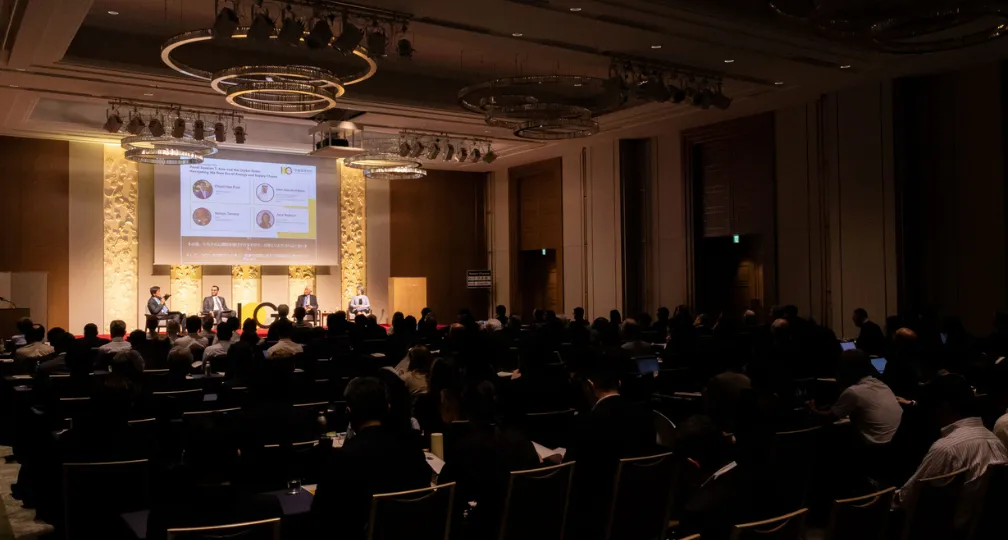
The Institute of Geoeconomics (IOG) hosted the Geoeconomics Summit 2026 – “ Geoeconomics in Times of Geopolitical Turbulence” event on May 13 in Tokyo. Approximately 350 participants — including 170 engaging online — attended discussions covering a wide range of political, economic, and international issues led by experts from Japan and abroad.
The full video archive is available here on IOG’s official YouTube account.
(Please be aware that this video is only available in English.)
Opening & the “Asia and the Global Order: Navigating the New Era of Energy and Supply Chains” Panel
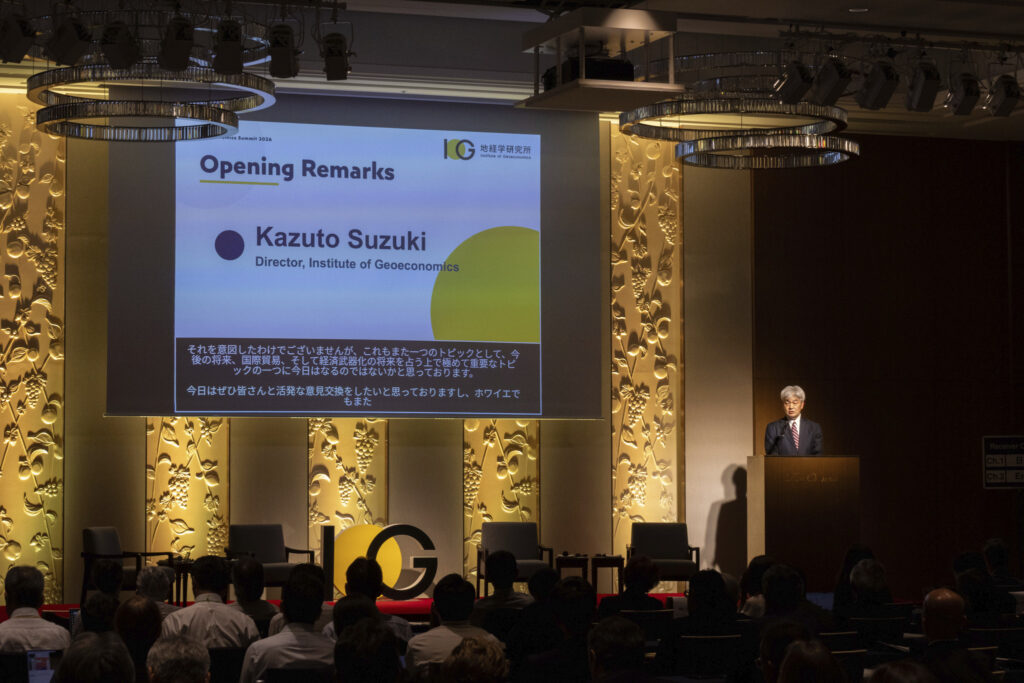
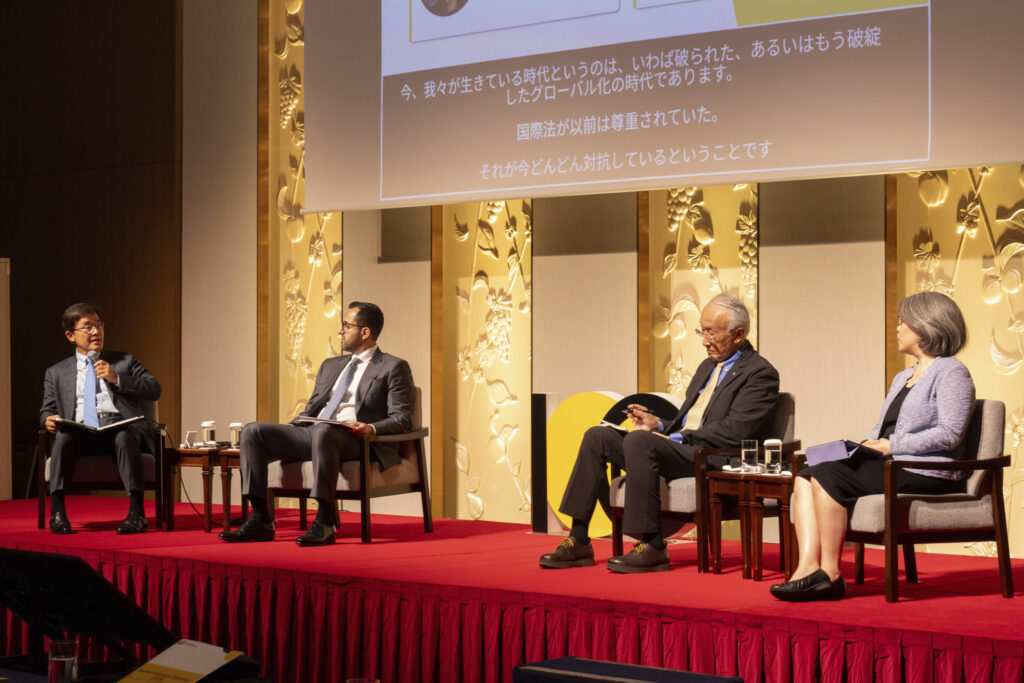
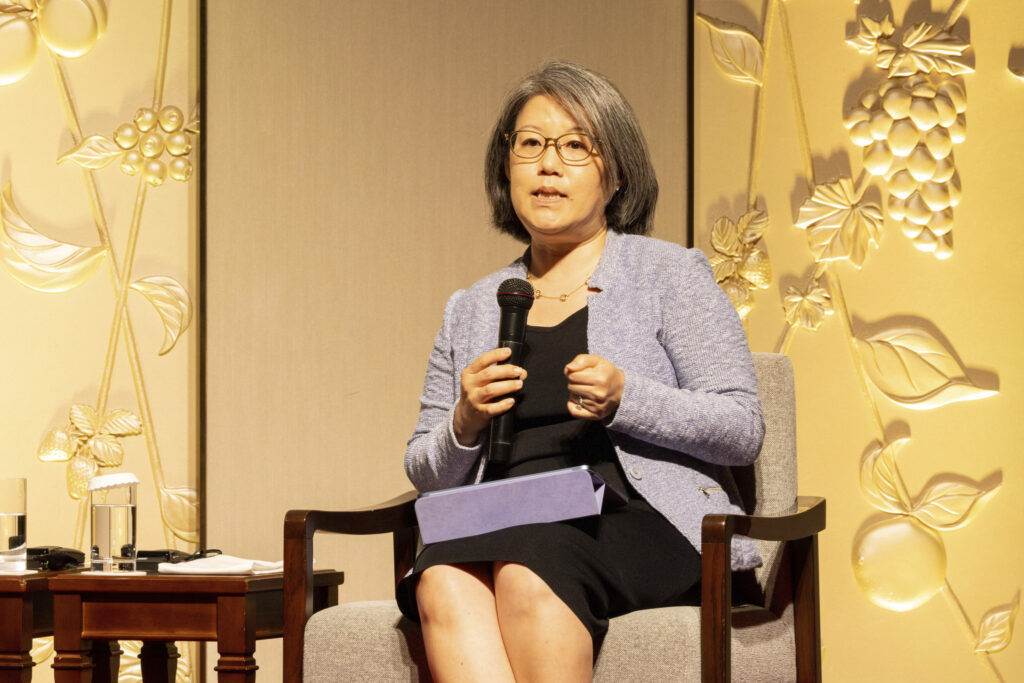
The Summit opened with opening remarks by Dr. Kazuto Suzuki, Director of the Institute of Geoeconomics, which set the stage for the event’s subsequent discussions. The initial session titled “Asia and the Global Order: Navigating the New Era of Energy and Supply Chains,” was moderated by Ambassador Cheol Hee Park, Special Advisor, International House of Japan (IHJ). The panel featured distinguished global experts, including Mr. Nobuo Tanaka, CEO of Tanaka Global Inc. and former Executive Director of the International Energy Agency, Mr. Saleh Abdulla Al-Mana, Assistant Undersecretary for Commercial Affairs at the Ministry of Commerce and Industry from Qatar, and Ms. Jane Nakano, Senior Fellow in the Energy Security and Climate Change Program at the Center for Strategic and International Studies (CSIS). The session explored the transforming global order and volatile supply chains triggered by the Middle East energy crisis, highlighting the strategic choices for Asian nations amid the geopolitical rivalry between fossil-fuel-led “petro-states” and clean-energy-led “electro-states” along with the outlook for regional cooperation and sustainable alternatives like nuclear energy.
Keynote Address by Dr. Joshua Walker
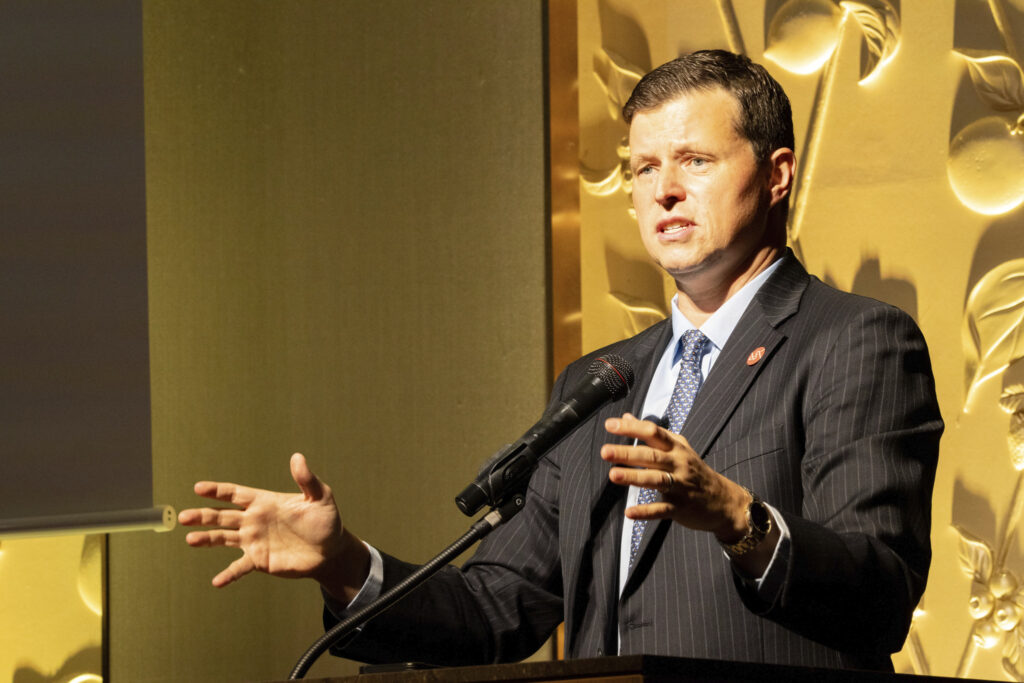
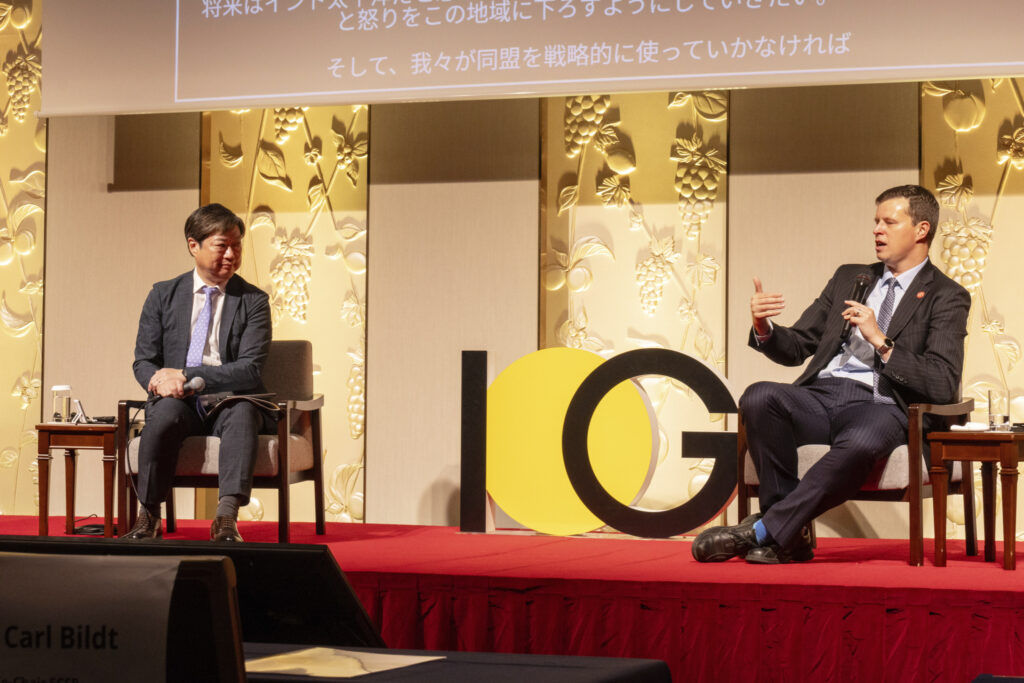
The keynote address by Dr. Joshua Walker, President & CEO, Japan Society explored the global transition from a geopolitical to a geoeconomic age, arguing that this era defining shift is now reshaping boardrooms and investment strategies as much as foreign ministries. He contended that Japan is uniquely positioned to seize this moment given the stability of the Takaichi administration and her instinctive grasp of economic security, and closed with the declaration that geoeconomics is no longer just in the background of world affairs, but is now present on main stage of global statecraft, and is shaped not by the largest or loudest powers but by those most capable of combining trust, innovation, resilience, and alliances. The subsequent fireside chat with Dr. Ken Jimbo, IHJ’s Managing Director, covered a variety of topics, ranging from American domestic politics, the Iran war, and US-China relations.
“Strategy Amidst Weaponized Economics” Panel
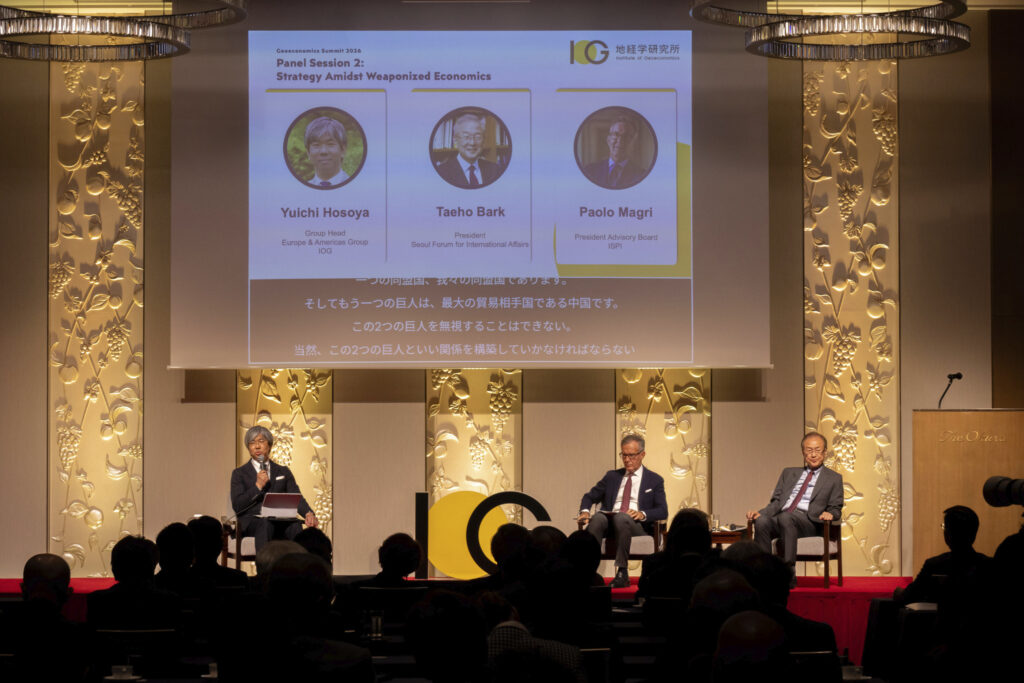
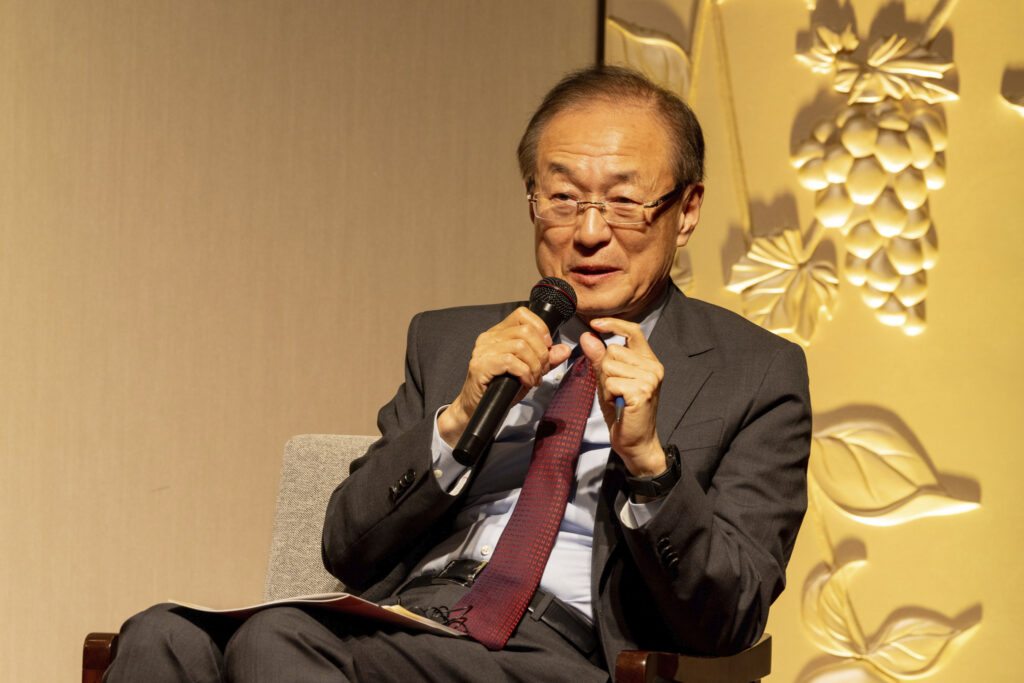
The second panel discussion, conducted under the theme of “Strategy Amidst Weaponized Economics,” was moderated by Dr. Yuichi Hosoya, Group Head of the Europe & Americas group at the Institute of Geoeconomics. Dr. Hosoya was joined on stage by prominent international experts: Dr. Taeho Bark, President of the Seoul Forum for International Affairs, and Mr. Paolo Magri, President of the Advisory Board at the Italian Institute for International Political Studies (ISPI). Drawing on the concrete experiences of South Korea and Europe, the discussion examined how middle powers are responding to the United States and China, highlighting the need for supply chain sovereignty, multilateral frameworks, and investment-linked trade strategies built before crises strike rather than in reaction to them. Panelists converged on the view that a coalition of like-minded democracies, anchored in institutions such as the CPTPP and a reformed WTO, is essential, with the longer-term goal not of replacing the US alliance but of persuading the United States to re-engage, while cautioning that excessive protection risks making the world more dangerous for all.
The Second Keynote featuring Mr. Carl Bildt
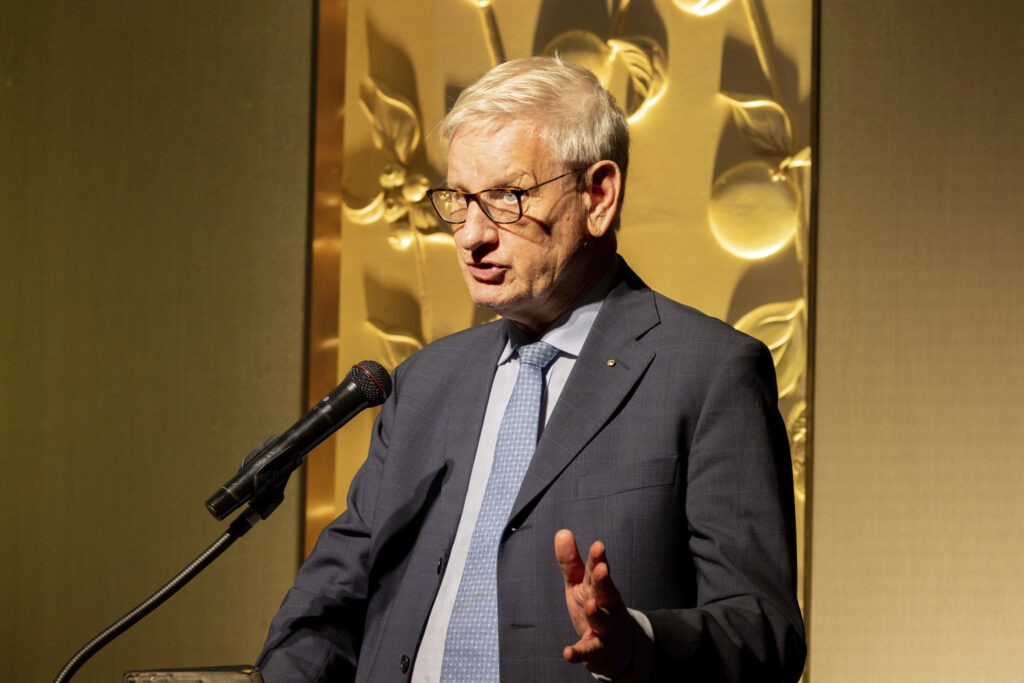
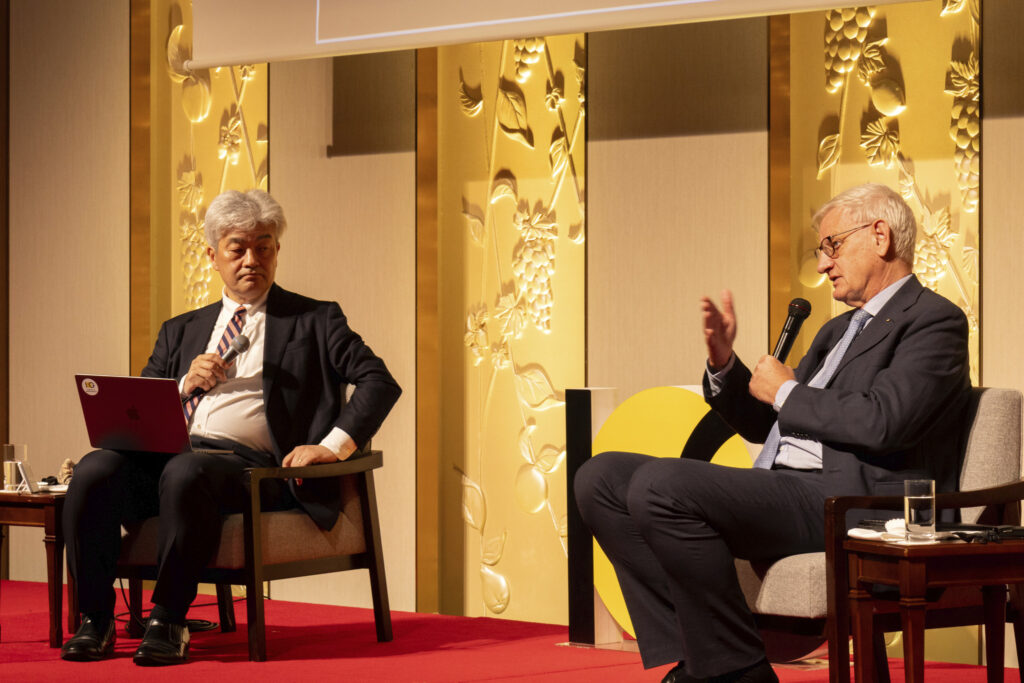
The second keynote session featured Mr. Carl Bildt, Co-Chair of the European Council on Foreign Relations (ECFR) and former Prime Minister and Minister for Foreign Affairs of Sweden. He examined the erosion of the rules-based global trading order, tracing the rise of weaponized economics from sanctions proliferation to technology competition between the United States and China. He called on like-minded democracies to preserve the multilateral system, deepen partnerships with trusted partners, and invest in their own economic resilience and frontier technologies. He closed with a pointed warning that de-risking, once a term reserved for overdependence on China, must now be applied to the United States as well, as the current administration has shown no reluctance to deploy economic coercion even against its own allies. The subsequent fireside chat with Mr. Bildt and Director Suzuki touched upon the future of the rules-based order, US-China dynamics, and the Middle East conflict, with Bildt arguing that deepening ties among trusted partners remains the most practical path to preserving an open international order. The conversation closed with Bildt welcoming Japan’s evolving security posture as creating new opportunities for deeper Japan-Europe cooperation, echoing former Prime Minister Kishida’s formulation that Ukraine today could be Asia tomorrow as a reminder of the geopolitical continuity stretching across the Eurasian continent.
As a hub connecting government, business, and academia, the Institute of Geoeconomics will continue to advance research and dialogue in the field of geoeconomics across the Asia-Pacific region and share its insights globally.
 News List News List
Notice Regarding Emails Impersonating the Institute of Geoeconomics (IOG) Staff Members
2026.10.21
Hirohito Ogi was quoted in Kyodo News: “FOCUS: Japan navigates varying agendas in Southeast Asia security cooperation push”
2026.10.21
Hirohito Ogi was quoted in the South China Morning Post: “Japan taps foreign tech to plug defence gaps as China’s power grows. Will it pay off?”
2026.10.16
Maletta Gabriele was quoted in S&P Global Energy on Sept. 16: “Japan must consider creating national critical minerals mining entity: experts”
2026.10.07
Rintaro Inoue was quoted in the El Pais: “Japón refuerza alianzas militares en el Pacífico mientras Trump suaviza el tono con Pekín”
2026.10.01
Geoeconomics Summit 2026 -Geoeconomics in Times of Geopolitical Turbulence-
2026.05.07
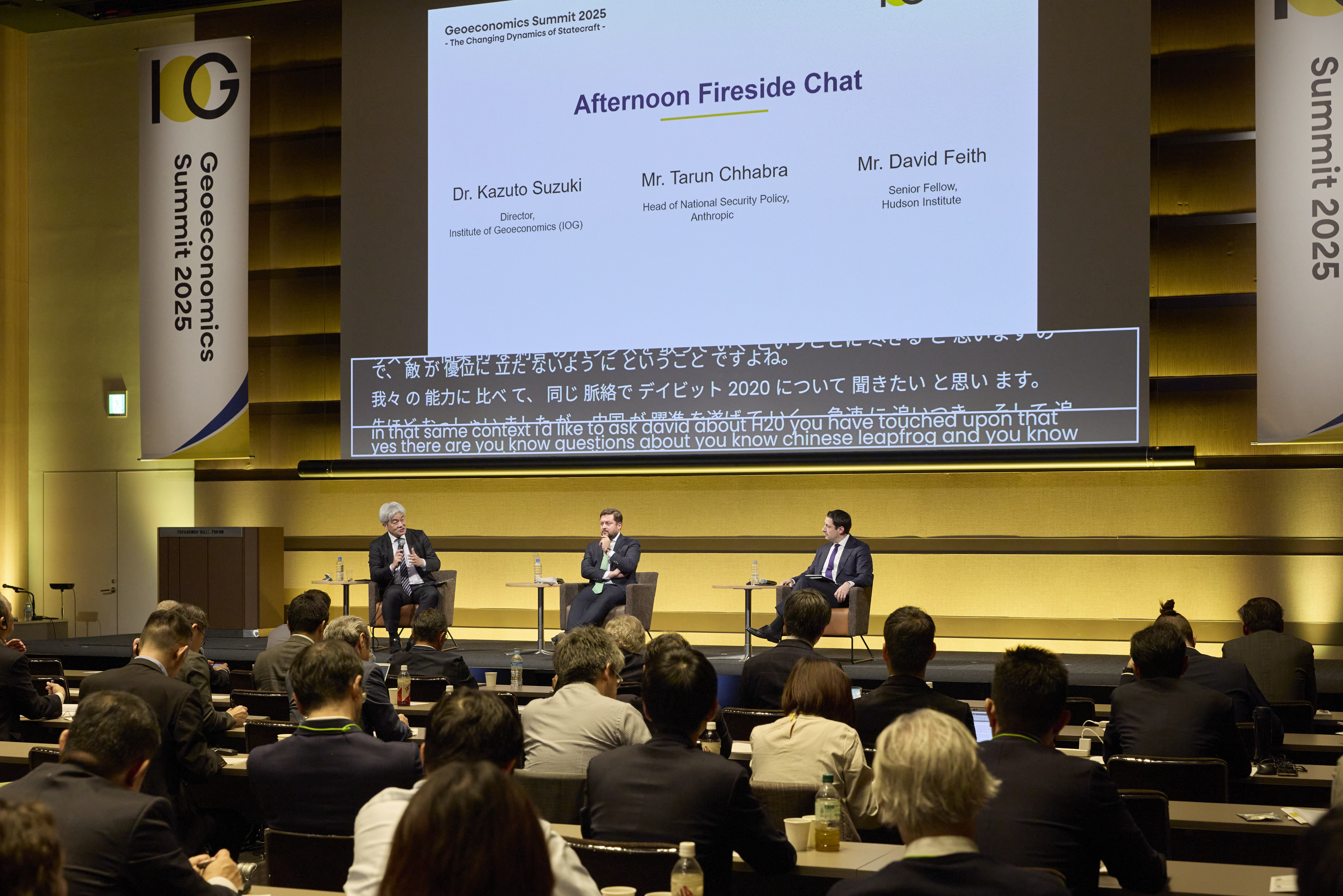
Geoeconomics Summit 2025 -The Changing Dynamics of Statecraft –
2025.09.10
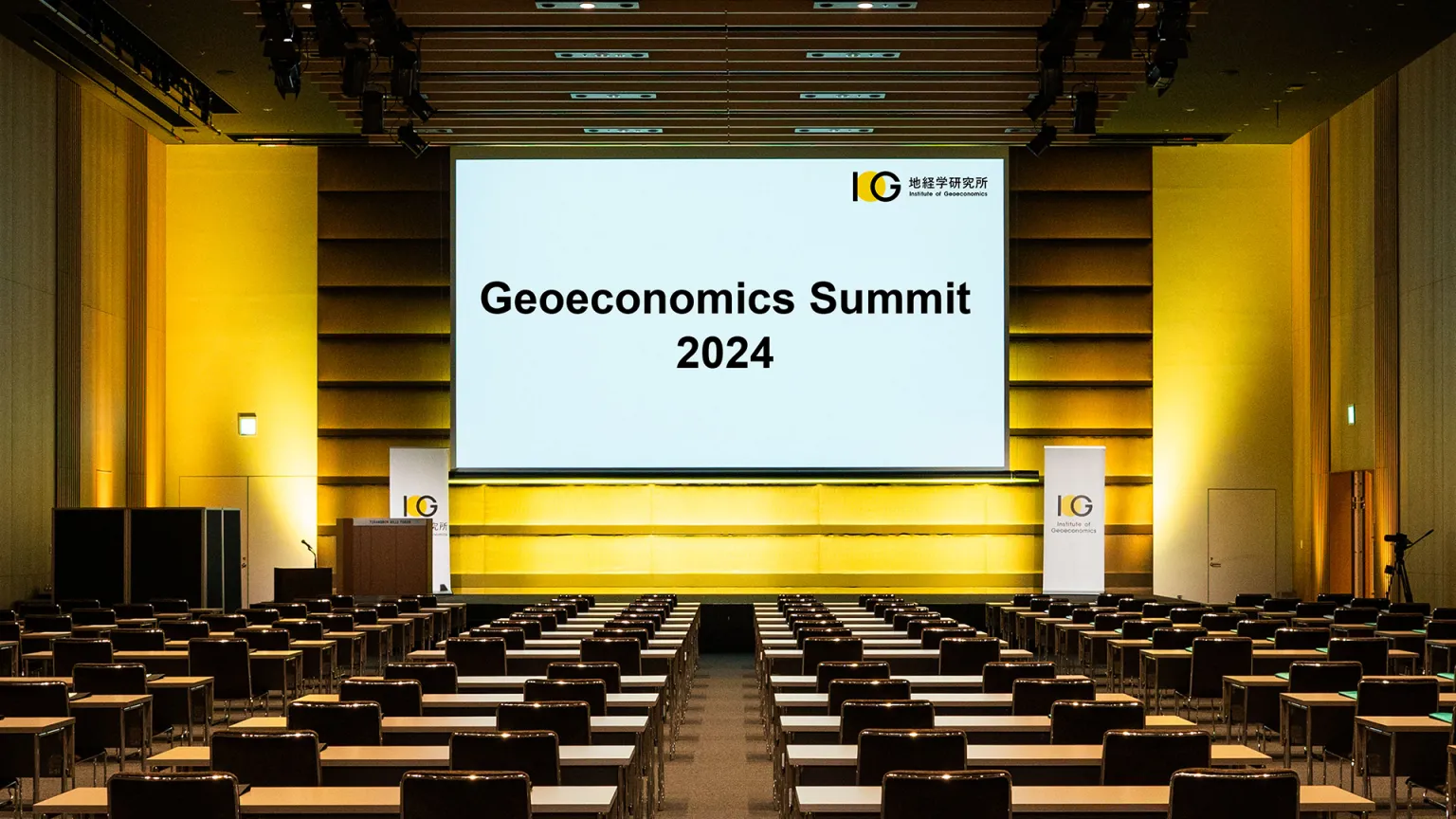
Geoeconomics Summit 2024
2024.09.12
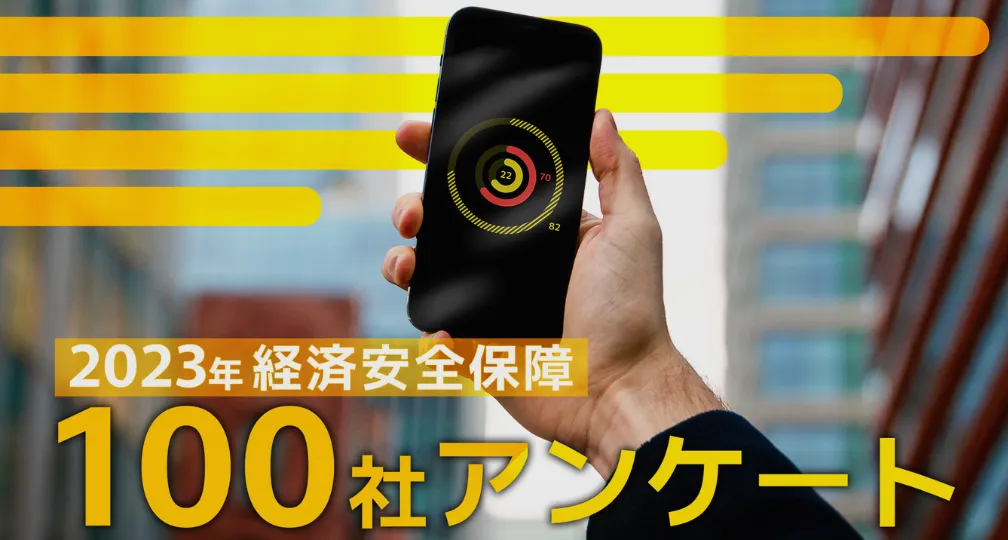
The Institute of Geoeconomics published its booklet “Third Survey Results of 100 Japanese Companies on Economic Security”
2024.09.06
Notice Regarding Emails Impersonating the Institute of Geoeconomics (IOG) Staff Members
2026.10.21
-

Geoeconomics Summit 2026 -Geoeconomics in Times of Geopolitical Turbulence-
2026.05.07 -
Geoeconomics Summit 2025 -The Changing Dynamics of Statecraft –
2025.09.10 -

Geoeconomics Summit 2024
2024.09.12 -

Kenichi Doi will be participating in the “Innovation, Technology, and Geoeconomics: Japan, China, and the World” Symposium being held by Tokyo College, The University of Tokyo Institutes for Advanced Study(UTIAS)
2026.06.01 -

Rintaro Inoue will be participating in the “Nikkei Asia Forum Perth 2026” event.
2026.04.17 -

The JICA Ogata Sadako Research Institute for Peace and Development is co-hosting an event together with IOG titled; “Knowledge Forum: Reconsidering the Role of ODA from the Perspective of Mutual Benefit” on April 13th. (Ken Jimbo, Yoshiyuki Sagara scheduled to appear)
2026.04.08 -

Hirohito Ogi and Rintaro Inoue’s press conference at The Foreign Correspondence Club of Japan, “Building Up Japan’s Defense Industry”
2026.04.02 -

Kota Umeda and Kazuto Suzuki will be participating in the “11th National Space Policy Secretariat Symposium on Ensuring the Safe and Sustainable Use of Outer Space”
2026.02.02 -

Event Report: The Institute of Geoeconomics Held Its Annual Forum and Geoeconomics Summit 2025
2025.11.05 -

Hirohito Ogi Will be Joining the “Future of Regional Security Partnership Architecture” Event Being Held by the Yokosuka Council on Asia-Pacific Studies
2025.09.29